
Checklist: Safely Foraging Common UK Herbs for Home Remedies
A practical, step-by-step safety checklist for identifying, harvesting and preparing common UK herbs responsibly, without risking your health or damaging wildlife.
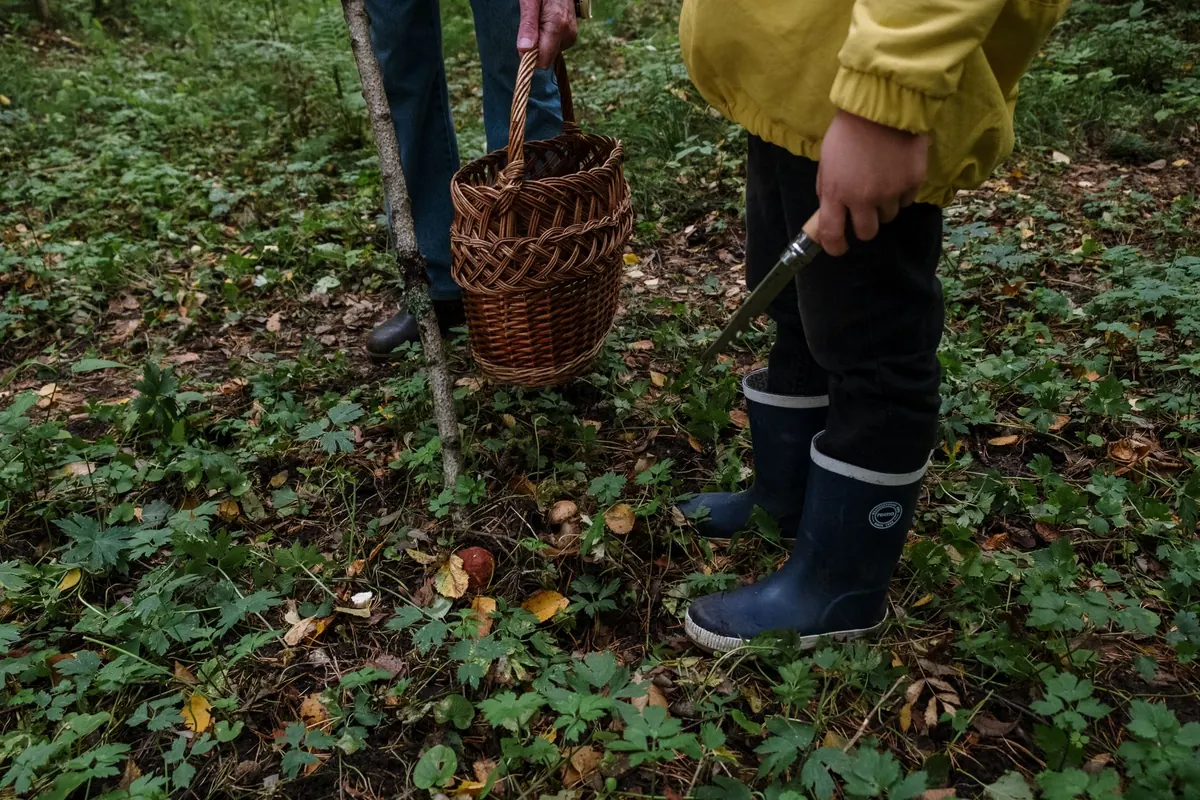
A basket, a decent field guide and a fair amount of caution will carry you further than enthusiasm ever will. Britain's hedgerows, verges and woodland edges hold a genuine pharmacy — nettle, hawthorn, elderflower, yarrow, wild garlic, rosemary gone feral over a garden wall — but the same ground hosts plants that can make you properly ill. What follows is the checklist to run through before you pick anything you intend to eat, brew or infuse.
It is written for the home remedy maker, not the commercial forager. Nothing here replaces a good identification book or, where your health is concerned, a conversation with a qualified practitioner.
Permission, Place and the Law
Wild plants are not a free-for-all. Rules differ across the UK and from site to site, so treat this as the general picture rather than legal advice. Broadly, picking leaves, flowers and fruit for personal use is accepted on land where you have permission to be. Uprooting a plant, digging roots or taking material from a protected site or a protected species is a different matter entirely.
Practical steps that keep you on the right side of things:
- Ask the landowner or farmer before you pick on private land. Most people say yes to a small personal harvest and no to a carrier bag full.
- Avoid Sites of Special Scientific Interest, nature reserves and National Trust land unless foraging is explicitly permitted there.
- Stay on public rights of way where access is limited, and never climb fences or cross crops.
- Check whether the species you want is rare or declining in your area before you take any. If it is, grow it instead.
Identify It Twice Before You Pick It
The rule that has kept foragers out of hospital for generations is simple: name it in the field, then name it again at home with a book or a reliable identification guide. If the two answers disagree, the plant goes back on the compost.
Build your knowledge slowly. Five plants learned thoroughly in a season will serve you better than twenty learned vaguely. For each one, learn the leaf shape and arrangement, the stem texture, the smell when crushed, the flower, and the habitat it prefers. Nettle, hawthorn, elder, dandelion, wild garlic and yarrow are all good starting points and all forgiving to identify.
The lookalikes worth memorising
The carrot family — cow parsley, wild carrot, hogweed and their relatives — is where beginners come unstuck, because it also contains hemlock, hemlock water dropwort and other seriously toxic plants. Unless you can identify a member of this family with complete confidence, leave the whole group alone.
Other pairings to learn before you pick: young wild garlic leaves versus those of lords-and-ladies and lily of the valley, both poisonous; foxglove leaves versus comfrey; and anything that looks vaguely like a berry from the nightshade family. Crushing a leaf helps — real wild garlic smells unmistakably of garlic, and hemlock has a mousy, unpleasant scent — but never rely on smell alone.
Choose Clean Ground
Where a plant grows matters as much as what it is. A perfectly identified nettle from the wrong spot is still a bad idea.
Skip roadside verges, where exhaust residue and council spraying are both real concerns. Avoid field margins beside arable crops, railway embankments, industrial land, car parks and ground recently treated with weedkiller. Popular dog-walking routes are worth avoiding at ankle height for obvious reasons — pick above knee level where you can, and wash everything in cold water when you get home.
Also think about what is upstream and upwind. Fruit and leaves from a busy road or a run-off channel collect more than you want.
Harvest So the Patch Comes Back
Good foraging leaves the site looking as though you were never there.
- Take a small fraction of any patch — one plant in twenty is a reasonable instinct — and never strip a bush or a stand bare.
- Take leaves and flowers rather than whole plants, and leave roots in the ground.
- Leave the largest, healthiest specimens to set seed and the youngest to establish.
- Leave flowers for pollinators, especially in early spring when little else is out.
- Avoid taking bark or branches during nesting season.
- Cut cleanly with scissors rather than pulling, which damages stems and root crowns.
Use a breathable basket or cotton bag rather than a plastic one. Anything you plan to dry should be processed within a few hours of picking, while it is still fresh and unbruised.
Dry, Label and Store With Care
- Sort your harvest as soon as you get home and discard anything wilted, nibbled or mouldy.
- Rinse lightly if the plant is gritty, then pat dry — excess water invites mould.
- Spread in a single thin layer in a warm, airy, dark place, or use a low oven with the door ajar for tougher roots.
- Turn daily. Leaves are ready when they crumble rather than bend.
- Store in clean, dry glass jars away from light, and label each with the plant name, the date and where you picked it.
Most dried leaves keep their character for around a year. If a jar smells musty or shows any sign of mould, bin the contents without hesitation.
Test Small, Then Use Sensibly
Even a correctly identified, perfectly dried herb is not automatically right for you. Try a small amount first — a weak tea, a single leaf — and wait a day before using more. Reactions to plants people assume are gentle are more common than most foragers expect.
Be cautious if you are pregnant or breastfeeding, if you take prescription medicines (some herbs interact with blood thinners, blood pressure drugs and thyroid medication), or if you have liver or kidney conditions. Herbs are not suitable for very young children without professional guidance, and some are toxic to cats and dogs.
Home remedies sit alongside proper medical care, not in place of it. For anything persistent, unexplained or serious, see your GP. If you want to use herbs therapeutically rather than just enjoy them in teas and cooking, a qualified medical herbalist is the right person to ask.
The Five-Minute Pre-Pick Check
Before you leave the house, run through this. Do I have permission to be where I am going? Can I name what I am looking for, and its dangerous lookalikes, without hesitating? Is the ground clean — away from roads, spray and dog traffic? Have I got a basket, scissors, a field guide and a way to keep the harvest cool? And have I decided in advance how much I will take, so I stop at a sensible amount rather than filling the bag because it is there?
Answer those five honestly and you will forage well for years. Answer them carelessly and the hedgerow is far less forgiving than it looks.
Photo: cottonbro studio / Pexels