

How to Make a Gentle Oat and Honey Face Mask for Sensitive Skin
A two-minute DIY face mask made with oats and honey for sensitive skin, plus patch-testing advice and simple tweaks for dry or reactive complexions.
Most face masks that promise to sort out sensitive skin end up doing the opposite. Fragrance, acids, clay and preservatives are often exactly what reactive skin would rather avoid. The gentlest option is usually already in your kitchen cupboard. Rolled oats and raw honey make a mask that softens and calms rather than strips, and it takes about two minutes to put together. Here's how to make it properly, how to test it before it goes anywhere near your face, and how to adjust it if your skin is dry, reactive or somewhere in between.
Why Oats and Honey Suit Sensitive Skin
Oats earn their place in skincare for good reason. Finely ground, they release natural compounds — avenanthramides among them — that formulators have used for years in products for itchy, irritated skin. They also hold water, so they feel soothing rather than tight. Honey is a humectant, which means it draws moisture towards the skin and helps hold it there, and its thick texture makes it an easy base to work with.
Together they create a mask that is soft, slightly sticky and easy to rinse away. Neither ingredient is a treatment for a skin condition, and this isn't a substitute for advice from a pharmacist or GP if your skin is persistently red, cracked, scaly or itchy. What it is: a cheap, low-risk way to give a reactive complexion ten quiet minutes.
What You'll Need
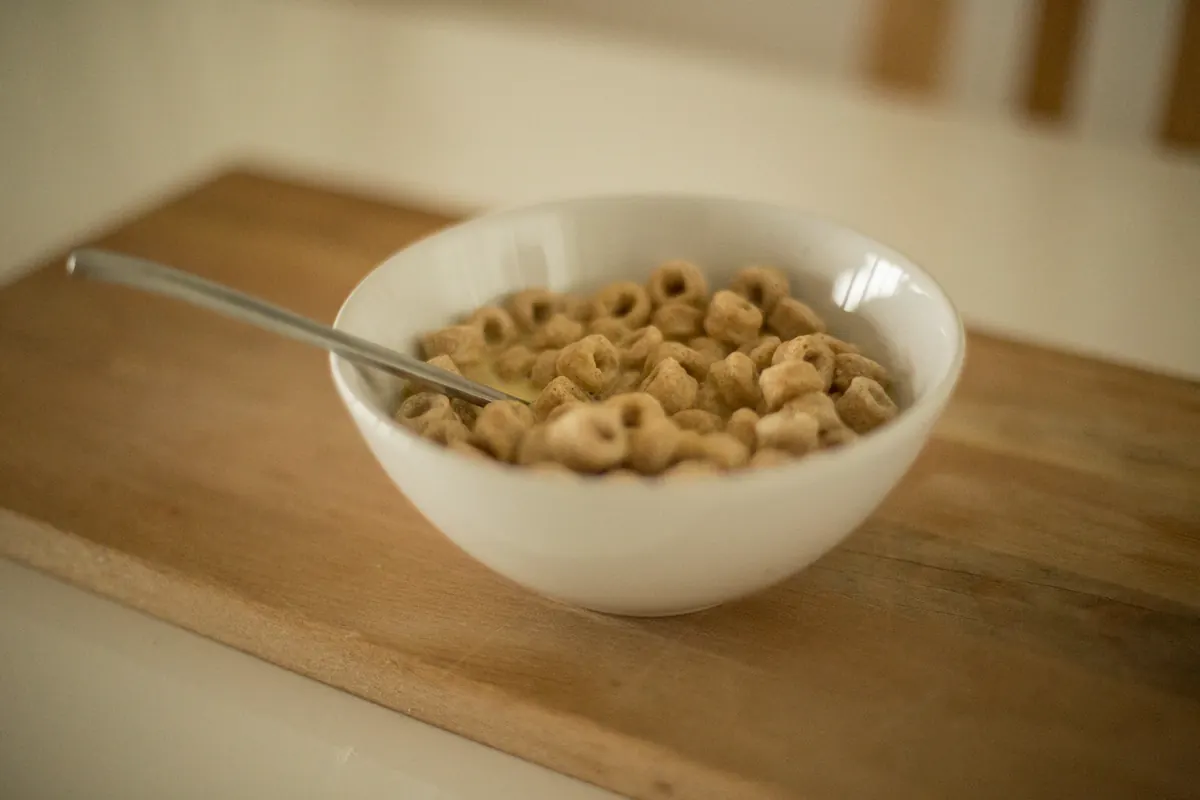
- Two tablespoons of fine rolled oats. Ordinary porridge oats are ideal. Avoid flavoured instant sachets, which contain sugar and additives.
- One tablespoon of raw honey. Runny honey blends more easily than the set kind. If yours has crystallised, stand the jar in warm water for a few minutes.
- One to two teaspoons of liquid. Warm water is the simplest choice. Plain full-fat yoghurt or cooled chamomile tea are both lovely for dry or angry skin.
- Optional extras. Half a teaspoon of jojoba or sweet almond oil for very dry patches, or a little aloe vera gel. Skip essential oils entirely — they are one of the most common triggers for reactions.
- Equipment. A small bowl, a fork or mini whisk, and a clean muslin square or soft flannel for rinsing.
The Recipe, Step by Step
- Grind the oats. Blitz them in a small blender, or grind with a mortar and pestle, until you have a coarse flour. Whole flakes make a lumpy mask that slides off your face; a finer grind makes a smooth paste and helps the soothing compounds release.
- Combine oats and honey. Stir them together in your bowl until you have a thick, sticky paste with no dry pockets.
- Add the liquid a teaspoon at a time. Stop when the texture resembles thick porridge — spreadable, but not runny enough to drip off your jaw.
- Let it sit for five minutes. The oats will absorb the liquid and soften, which makes the mask kinder on the skin.
- Patch test first. See the section below. This is not optional if your skin reacts easily.
- Apply a thin, even layer. Avoid the eyes, lips and any broken or freshly exfoliated skin. Leave for ten to fifteen minutes. Don't wait for it to dry and crack — that's the point at which it starts pulling moisture back out.
- Rinse with lukewarm water. A damp muslin square helps lift the oats without scrubbing. Pat dry and apply your usual moisturiser within a minute or two, while skin is still slightly damp.
Patch Testing: The Step Worth Doing Properly
A patch test only tells you something useful if you do it correctly. Mix a small batch, then apply a pea-sized amount to the inner forearm or behind an ear. Leave it on for the full contact time — if the mask would sit on your face for fifteen minutes, leave it there for fifteen minutes.
Rinse and then wait a full 24 to 48 hours before using it on your face. Check for redness, itching, stinging or bumps. A faint tingle that fades in a minute is usually fine; burning that builds is not. Rinse it off straight away if that happens. It's also worth testing on a day when you aren't trying anything else new, so you know what caused a reaction. If you're allergic to oats or honey in food, don't apply them to your skin.
Adapting the Mask to Your Skin
For very dry or flaky skin
Swap the water for full-fat plain yoghurt, or add half a teaspoon of jojoba oil. Both leave a slightly richer film behind, which suits skin that feels tight after cleansing. Follow with a heavier night cream than usual.
For reactive, redness-prone skin
Keep it to three ingredients: oats, honey and cool chamomile tea. Cool, rather than warm, liquid is genuinely soothing on flushed skin. Leave out oils, yoghurt and anything else you're tempted to add, at least for the first few goes.
For combination or oilier skin
Use warm water and keep the layer thin. Honey rinses clean without leaving residue, so there's no need to reach for clay — it's often too drying for skin that's already reactive.
In cold weather or after a hot shower
Hot water strips the skin, so run your shower lukewarm and use the mask afterwards, once your face has cooled. It's a much calmer experience than applying it to skin that's still pink from the heat.
How Often to Use It, and How to Store It
Once a week is plenty for most sensitive skin; twice if your skin is robust and enjoys it. More frequent use rarely helps and can leave skin feeling over-handled.
Because there are no preservatives, make a fresh batch each time. If you'd rather not mix it every week, portion it into an ice cube tray, freeze it, and defrost one cube in the fridge overnight. A covered jar in the fridge will keep for two to three days at most, and only if you scoop it out with a clean spoon rather than wet fingers. If it smells sour or looks separated, bin it.
Making It Part of a Calmer Routine
The best time to use this mask is in the evening, after cleansing and before moisturising, on a night when you're not also using retinol, acids or anything else active. Give your skin a plain, boring evening afterwards: gentle cleanser, moisturiser, nothing more.
Pay attention to how your skin feels the next morning, not just during the mask. Comfortable and soft is the goal. If it's tight, itchy or flushed, use less next time — a thinner layer, a shorter contact time, or simply oats and water without the honey. And if a patch of skin stays irritated for more than a week or two despite gentle care, book an appointment with your GP or a pharmacist rather than working through more DIY options.
Photo: Ela Haney / Pexels