How to Make a Simple Herbal Infusion: Chamomile, Peppermint and Fennel
A step-by-step beginner's guide to making gentle, tasty herbal infusions from dried chamomile, peppermint and fennel, including proportions, steeping times and safety notes.
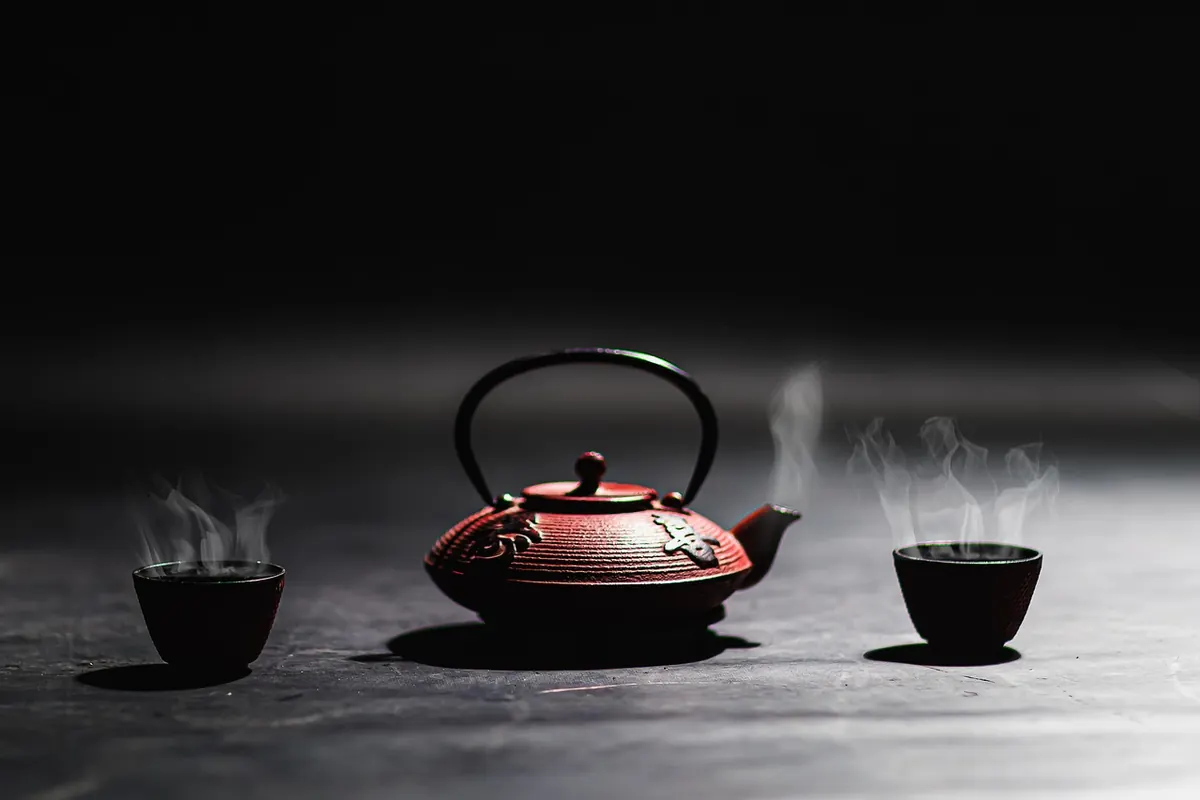
Making a proper herbal infusion takes about four minutes and no special equipment. It is one of the simplest skills in the home cupboard, and unlike a lot of wellness advice, there is nothing vague about it: you need dried herb, hot water, a cover and a little patience.
Chamomile, peppermint and fennel are a sensible trio to start with. All three are widely available, inexpensive, and taste completely different from one another — soft and floral, sharp and minty, sweet and faintly savoury. Make each one well a few times, and you will know which you actually enjoy drinking rather than which sounds most appealing on the packet.
What an Infusion Actually Is
An infusion is dried plant material steeped in hot water. That is different from a decoction, where you simmer tougher material such as bark or root in a pan for twenty minutes or more. Fennel seed sits between the two: it works as an infusion, but it rewards a longer steep and a light crush first.
The detail most people miss is the cover. Chamomile and peppermint carry their aroma in volatile oils, and those oils leave with the steam. A saucer on top of the mug, or a lid on the pot, keeps them where you want them. It also keeps the drink hotter for longer, which matters when you are steeping for eight or ten minutes.
The Three Herbs, and What Each One Brings
Chamomile
Dried chamomile flowers smell of apples and hay. The flavour is gentle and slightly sweet, with a faint bitterness at the back of the throat if you steep it too long. It is the classic evening cup, and it blends well with a pinch of fennel for sweetness or a few dried lemon balm leaves if you have them.
Peppermint
Peppermint is the boldest of the three and the least forgiving. Steep it too long and it turns harsh and slightly soapy. Five minutes is usually plenty. Loose dried peppermint leaves are far better than the dusty contents of an old teabag, and a single teaspoon goes a long way.
Fennel
Fennel seed is sweet, warming and reminiscent of aniseed. It is the one to reach for after a heavy meal, and it takes heat well — near-boiling water and a ten to fifteen-minute steep suit it. Crush the seeds lightly with the back of a spoon or the flat of a knife first; whole seeds release very little flavour.
What You Will Need
- Dried herbs. Loose chamomile flowers, peppermint leaf and fennel seed. Buy small quantities from a shop with a decent turnover, and store them in sealed jars away from light and heat.
- A mug with a saucer, or a small teapot with a lid. This is the one piece of kit worth bothering with.
- A fine mesh strainer or a teapot with a built-in infuser.
- A kettle, a timer and a teaspoon. Electronic scales help if you want to be precise, but a teaspoon is fine to begin with.
The Basic Method, Step by Step
- Warm the mug or pot. Half-fill it with hot water, swirl, and tip the water out. A cold mug drops the temperature of your infusion immediately.
- Measure the herb. One rounded teaspoon of dried leaf or flowers per mug, or two teaspoons of fennel seed. For flowers and leaves that is roughly 2g; adjust from there.
- Pour water that has just come off the boil. Let the kettle settle for thirty seconds or so. Peppermint and chamomile do best at around 90–95°C, while fennel can take water straight from the boil.
- Cover it. Saucer on the mug, lid on the pot. Do not stir; you will only drive off the aroma.
- Steep. Chamomile for 5–10 minutes, peppermint for 5–7, fennel for 10–15. Start at the shorter end, taste, and go longer next time if you want more body.
- Strain into a second mug rather than leaving the herb sitting in the water. Anything left steeping keeps getting stronger and eventually bitter.
- Taste before you sweeten. A small spoon of honey is fine, but try the infusion neat first so you learn what the herb actually tastes like.
A note on strength
If your first cup tastes thin, the answer is usually more herb rather than a longer steep. Doubling the quantity and keeping the time the same gives you a fuller flavour. Extending the time past fifteen minutes mostly extracts bitterness and tannins, which is why a forgotten mug of chamomile is so unpleasant.
Simple Blends Worth Trying
Once you can make each herb on its own, combinations are easy. Use equal parts by volume unless you want one flavour to lead.
- Evening cup: two parts chamomile to one part fennel seed. Softer and sweeter than chamomile alone.
- After-dinner cup: equal parts peppermint and fennel seed. Fresh and slightly sweet.
- Morning cup: peppermint with a little chamomile if straight mint feels too bracing.
A slice of lemon, a strip of orange peel or a few crushed cardamom pods all work well with fennel. Skip milk — it dulls the volatile oils you have just gone to the trouble of keeping in the cup. Leftover infusion can be chilled and poured over ice the same day, but do not keep it overnight.
Keeping It Safe
These are everyday kitchen herbs, and a cup or two a day is generally well tolerated. A few sensible precautions are still worth knowing.
- If you are pregnant or breastfeeding, taking regular medication, or managing a health condition, check with a pharmacist or a qualified herbal practitioner before drinking herbal infusions routinely. This matters more if you intend to drink them daily rather than occasionally.
- Chamomile belongs to the daisy family. If you react to ragweed, marigolds or similar plants, introduce it cautiously.
- Peppermint relaxes the valve at the top of the stomach and can worsen reflux for some people. If it makes heartburn worse, try fennel instead.
- Keep the strength reasonable. A pleasant cup is not the same as a concentrated extract, and more is not better.
- Stop if anything feels off, and speak to a doctor about persistent symptoms rather than treating them with tea.
Making It a Habit
Keep the herbs where you can see them. A row of three small labelled jars beside the kettle does more for the habit than a cupboard full of forgotten packets. Replace them after a year or so, or sooner if the aroma has faded — flat-smelling chamomile makes a flat cup.
Pair each herb with a moment: peppermint mid-morning, fennel after the evening meal, chamomile an hour before bed. Rinse the pot with hot water rather than soap, which lingers in the spout and taints the next brew. Within a week or two you will stop measuring, and the whole thing will take as long as boiling the kettle.
Photo: cromagnon130 / Pixabay